Posts

Strength + Courage = Pride

Pride Shabbat Sermon / Parashat V’etchannan Rabbi Esther Hugenholtz Strength + Courage = Pride ‘ V’chazakehu v’am’tzehu ki hu ya’vor lifnei ha’am hazeh ’– ‘And strengthen him and give him courage for he shall cross and go before this people’. (Deut. 3.28) These are the words that God commands Moses to take to his brave general, Joshua. They have come to the boundary of the Promised Land and Moses is not allowed to enter after his anger flaring up when striking the rock. The people wait anxiously for further instruction. Their journey has been long and arduous, filled with peril and despair. And Joshua bin Nun must reach beyond his own fears and lead this desert generation on. ‘ V’chazakehu v’am’tzehu ’ – ‘strengthen him and give him courage’. Joshua is bound to feel ambivalent. He’s come this far but it’s been a struggle. He is so close; all he needs to do is to cross the Jordan River, into the Promised Land, flowing with milk and honey. He will lead his people h...
Turn, Turn, Turn

Image
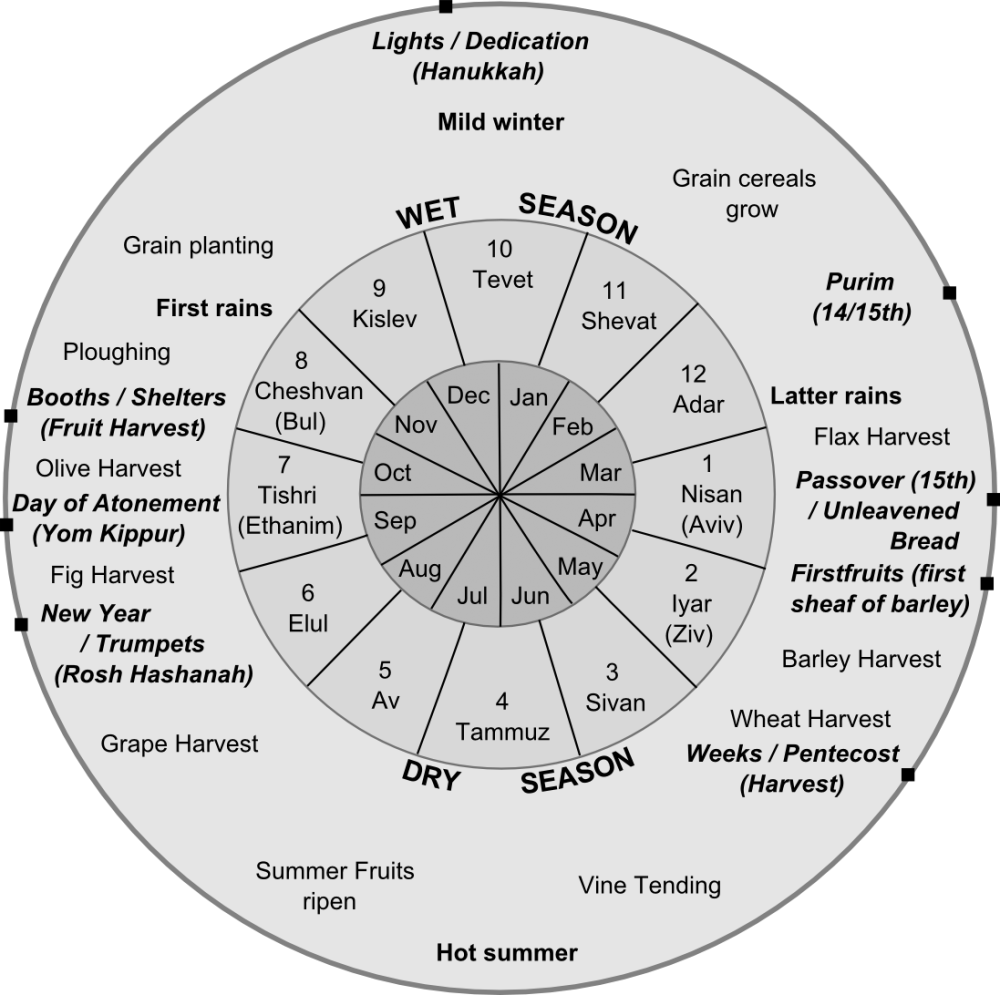
Parashat Vayikra/HaChodesh  Rabbi Esther Hugenholtz  Turn, Turn, Turn  How many of you paid attention to yesterday’s solar eclipse? I was getting excited about the whole thing but my physicist husband’s response was surprisingly lackluster: ‘big deal, it’s the moon moving in front of the sun, and that’s that’. Now, don’t get me wrong: my very scientific husband has an insatiable curiosity and a deep respect for the natural world.  As I pondered his response and realized how very modern it is—not ‘modern’ as in ‘new’, but modern as in embracing a post-Enlightenment, rationalist, empiricist worldview. He is right, of course: all a solar eclipse is the moon blocking the sun.  I trained as a scientist too—a social scientist. And so I’m interested in social phenomena: how have people throughout the ages responded to solar eclipses? With great fear and dread. See, it is only human nature to want to see patterns and omens in Nature and the line betwe...

In the Name of the One True God

Parashat Ki Tissa  Rabbi Esther Hugenholtz  In the Name of the One True God  I don’t know how many of you have seen the recent footage of ISIS – Islamic State – destroying antiquities in the Iraqi cities Mosul and Nimrud. Of course, we’ve been confronted with a lot of shocking footage of ISIS indiscriminately murdering civilians, committing genocide and other atrocities. Of course, as Progressive Jews we want to focus on building bridges between religions. We stand in solidarity with Muslim citizens in creating tolerant and open faith communities wherever we live. And so, we have to confront evil when we face it. One of the most powerfully redemptive messages of both Purim and Pesach is that we can resist evil. It also seems a bizarre coincidence that we see ISIS smashing ancient treasures while we just read about the beauty of Achashverosh’ royal palace in the Megillah. Now those beautiful Assyrian and Babylonian artefacts, of deities and lamassu’s , (mythical ...

The Other Side of the Coin

Parashat Mishpatim/Shabbat Shekalim (Judith Trust Inclusivity Shabbat) Rabbi Esther Hugenholtz The Other Side of the Coin I have a few questions for you. Why do you come to synagogue? Do you have friends here at Sinai? And if you have friends here at Sinai, how important is the social aspect of Sinai to you? Everyone wants to be comfortable. It’s human nature to connect with our peers and like-minded friends. Similar in worldview, age, belief-system, ethnic background, socio-economic status and level of ability. And usually, this seems good enough in our lives – isn’t this what friendship is about? But maybe it’s actually not what being part of Sinai is about. Having friends in the community is vital – we are all part of this community because we want to be uplifted by those we have bonded with. But what is powerful about ‘community’ is actually how it orchestrates and facilitates encounters between people who we might not ordinarily connect with. Tots, teens and senior c...

What Plagues Us

Parashat Va’eira 2015  Rabbi Esther Hugenholtz  What Plagues Us  Blood - dam, frogs – tzefardea, lice - kinim, wild animals - arov, pestilence - dever , boils - shichin, hail – barad. Those are the plagues of parashat Va’eira, seven in total, with three more – arbeh (locusts), chosech (darknesss), makkat bechorot (death of the firstborn) in the next parashah, parashat Bo.  We are so used to encountering the plagues in a very specific context: the Pesach seder. Did anyone else feel like dipping their finger in their wine and dabbing it on their napkin as I read them out? The plagues remind us of schmutzy haggadot accruing wine stains and matzah crumbs. These Pesach associations can hold a lot of fondness but they do manage to detract us from the core message of Va’eira. No plague finger puppets today (as cute as they may be). Now is the time to leave the gimmicks behind.  To be fair, the Torah itself gets a little gimmicky about these plagues....

Finishing Well

Parashat Vayechi  Rabbi Esther Hugenholtz  Finishing Well  Now that the chanukkiyot are packed away, the candlewax has been scraped from window sills, the dinners, the Season’s post cards, the gift wrappings, champagne corks and fireworks are behind us, what we have left to reflect on are not only our expanded waistlines but the family relationships we built during the winter Holiday Season.  There’s a certain greyness to early January. The festivities have died down and this could be a time of quite reflection, of acknowledging our mortality in deep winter, alongside icy roads and bare branches. Reflecting on endings and death, even of a cyclical nature, allows us to shape our own response to it. It’s OK, I suppose, to embrace the darkness a little, to acknowledge the coldness in our bones and to feel the tilt of the world towards decay. The question then is how we relate to these relationships around us.  Many of us have spent time with family...

Right is Might

Parashat Vayeshev – Human Rights Shabbat  Rabbi Esther Hugenholtz  Right is Might  For all the timeless wisdom the Torah shares with us, I think the warning that the Torah gives us to beware of the idea that somehow ‘might makes right’ is one of the most powerful. In fact, one could argue that the entire Hebrew Bible (not just the Torah) resists this Machiavellian maxim. Kings are brought down low, the poor are risen up. Prophets speak truth to power and the foundational narratives of Genesis and Exodus tell us of how smallness – not power – makes great. It is not the firstborn, nor the great nations that impact the moral destiny of civilization. It is God’s covenant with our tiny nation that would echo across the ages.  This resistance or perhaps even abhorrence of‘might is right’ extends into the rabbinic tradition as well. Many Talmudic cases of tort law protect the vulnerable: the slave, the labourer, the widow, the poor. And even our most boastful...