Posts

Showing posts with the label vayikra

Our Calling: Thoughts on Purpose, Meaning, Mission and the Future of (Conservative) Judaism

Parashat Vayikra Rabbi Esther Hugenholtz Our Purpose, Meaning and Mission This week, a colleague shared an article with me from ‘New Voices – News and Views of Campus Jews’. In it is an enlightening, sobering and courageous interview with Rabbi Steven Wernick, CEO of the United Synagogue of Conservative Judaism. I had the honor of meeting Rabbi Wernick at the USCJ Biennial and being heartened by the deep Torah he taught there, including Blues Brothers quotes about us being on a ‘Mission from God’ (no joke). And I am even more honored by Rabbi Wernick’s visit for my Installation this coming April. So, the article gave me plenty of reasons to want to sit up straight and read it with a critical eye and an open heart. It is no secret that USCJ – one of the two movements with which we are affiliated – is experiencing challenges: Conservative Movement affiliation has plummeted to a mere 18% of America’s Jews. According to the Pew Report on Jewish demographics ...
The Game of Altars

The Game of Altars Rabbi Esther Hugenholtz The challenge of a visiting rabbi when preaching is how do you share a little about yourself so people get a more rounded picture of who you are. I’ve spent half of Shabbat with you already and look forward to getting to know all of you much better. As for ‘a little more of me’: I’m a science fiction and fantasy nerd (most rabbis are). And I share a particular predilection for ‘Game of Thrones’. ‘Game of Thrones’ is a highly-successful television series based on George RR Martin’s ‘A Song of Ice and Fire’ fantasy novels. Set in a Medieval-esque world, the series distinguishes itself from the usual ‘sword and sorcery’ type through its explorations of power and political intrigue. The premise of the show centres around different characters vying for the Iron Throne, the centralized seat of power that unites the known world. The brilliance of the show lies in how it discusses questions of character and influence: how power corrupts, al...

‘Pleasing to the Eternal’

‘Pleasing to the Eternal’ Rabbi Esther Hugenholtz Please complete the following sentence: ‘my most favourite smell in the world is…’ I know you’re British so this might be a bit awkward, but let’s try anyway. ‘My most favourite smell in the world is…’ My toddler’s and baby’s freshly washed hair. Cinnamon. Fresh ginger root. Logs burning on the fire place. Challah hot from the oven. Cut grass on an early summer’s day. Any of our senses can take us back to our most precious moments in a matter of milliseconds yet few things are successful at plummeting the depths of the soul as smell. An entire childhood of summer holidays, memorable Shabbatot with loved ones or the romantic linger of someone’s perfume can be conjured up by the most fleeting scent. According to the Torah, a sense of smell isn’t only important to human beings but also to God. We read in parashat Vayikra, this week’s Torah reading:     ‘ V’hiktir haKohen et hakol haMizbecha olah ...

Turn, Turn, Turn

Image
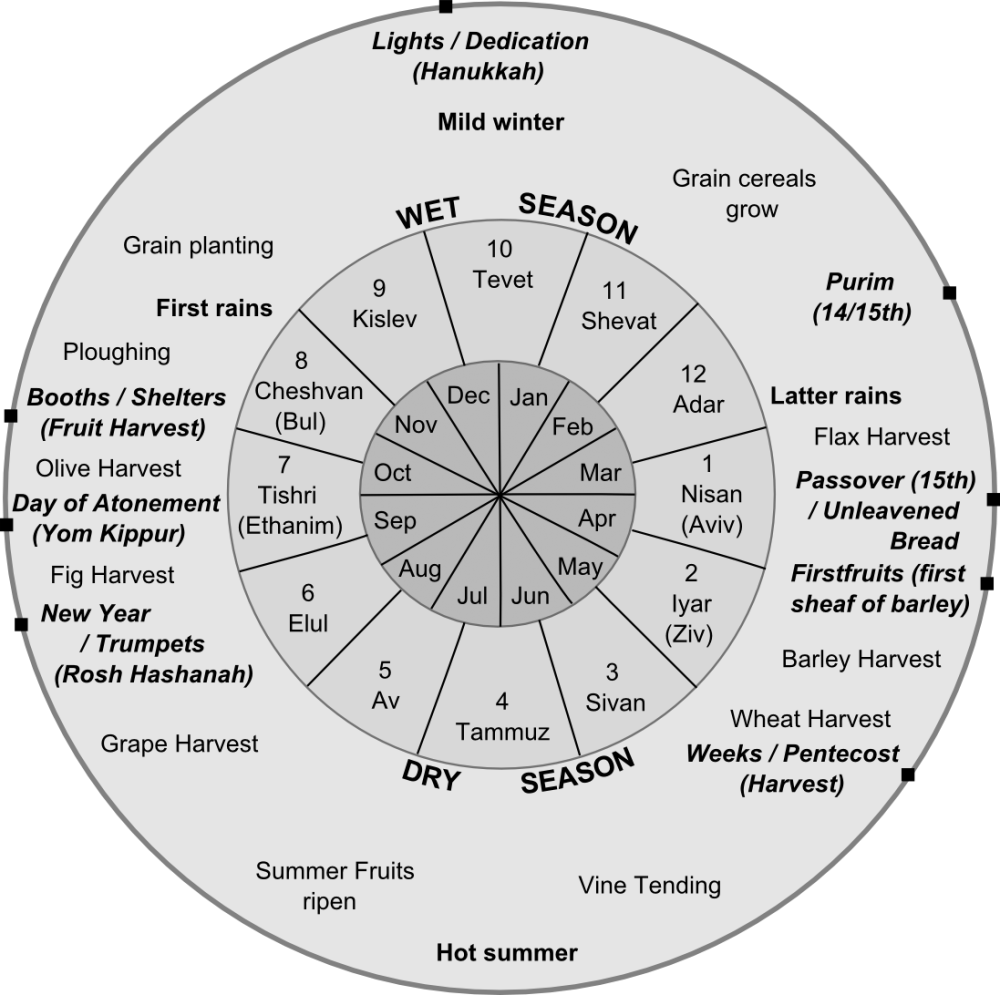
Parashat Vayikra/HaChodesh  Rabbi Esther Hugenholtz  Turn, Turn, Turn  How many of you paid attention to yesterday’s solar eclipse? I was getting excited about the whole thing but my physicist husband’s response was surprisingly lackluster: ‘big deal, it’s the moon moving in front of the sun, and that’s that’. Now, don’t get me wrong: my very scientific husband has an insatiable curiosity and a deep respect for the natural world.  As I pondered his response and realized how very modern it is—not ‘modern’ as in ‘new’, but modern as in embracing a post-Enlightenment, rationalist, empiricist worldview. He is right, of course: all a solar eclipse is the moon blocking the sun.  I trained as a scientist too—a social scientist. And so I’m interested in social phenomena: how have people throughout the ages responded to solar eclipses? With great fear and dread. See, it is only human nature to want to see patterns and omens in Nature and the line betwe...

Parashat Vayikra - Calling on Controversy

Parashat Vayikra  Rabbi Esther Hugenholtz  Calling on Controversy  Usually, when we finish a book of the Torah and close its final words with ‘chazak, chazak v’nitchazek’ (be strong, be strong and let us be strengthened!), there’s some excitement about the book ahead. The story of the family of Abraham in Genesis becomes the story of a people in Exodus. Crossing from Numbers into Deuteronomy means being uplifted by the moral words of the ‘Mishneh Torah’, the second Torah. We may feel less of a buzz when it comes to leaving Exodus behind for Leviticus.  There’s plenty in Leviticus to dread. It’s known as the ‘Torat Kohanim’ for its emphasis on the Priesthood, ritual purity and holiness and has its fair share of sacrifices. It behooves us as Progressive Jews to ask: ‘what do we do with all this stuff?’ It’s an important but also problematic question because at the heart of it lies discomfort with being uncomfortable. It is this discomfort with the unco...